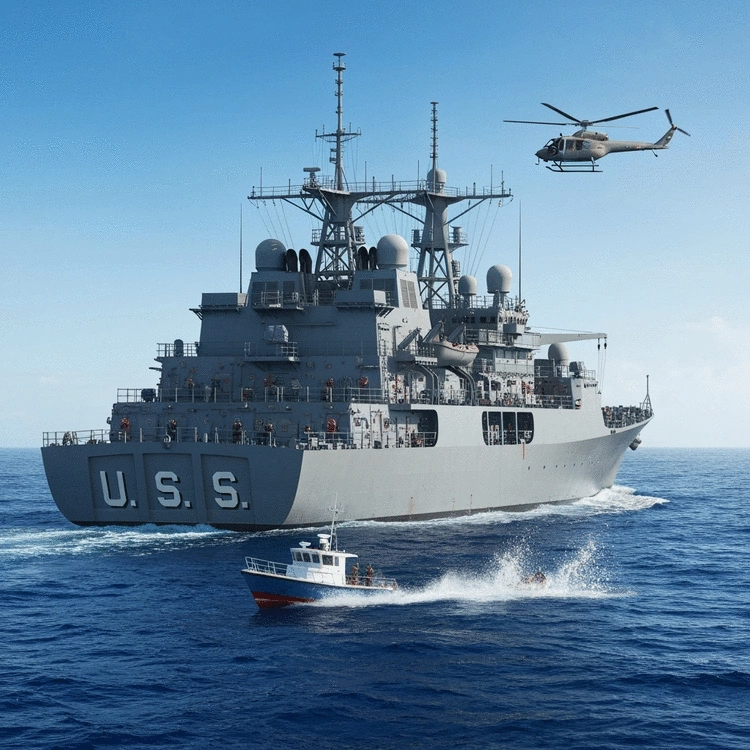

What if a single military strike could reshape international drug policies and alter the dynamics of narcoterrorism? The recent U.S. operation off the coast of Latin America has ignited a crucial conversation about the complexities of using military force in the fight against drug trafficking.
What You Will Learn
- The U.S. military strike was a response to escalating narcoterrorism threats, emphasizing the need for decisive intervention.
- This operation highlights the complexities and potential consequences of military actions in combating drug trafficking and its effects on international relations.
- The Trump administration's military strategy marked a significant shift in U.S. policy, focusing on direct military engagements against drug cartels.
- The ongoing debate surrounding the legality and ethics of military force for drug interdiction continues to evolve as new challenges arise.
U.S. Military Actions Against Drug Trafficking: Key Considerations and Impacts
The U.S. military strike on alleged drug boats highlights critical aspects of international drug policy and its broader implications. Below are key considerations regarding these interventions.
Incident Overview
- ● Location: Off Latin American Coast
- ● Objective: Disrupt narcoterrorism operations
- ● Statements: Emphasized collective action
Trump Administration's Approach
- ● Direct Engagement: Enhanced military resources
- ● Bilateral Focus: Strained relations (Venezuela, Mexico)
- ● Partnerships: Coalitions against threats
Potential Impacts of Military Action
- ● Scrutiny: Legality and ethics debated
- ● Retaliation: Affects diplomatic relations
- ● Route Shifts: Cartels adapt to new areas
Encouraging Informed Discussions
- ● Diplomacy: Role in resolving drug issues
- ● Economic Aid: Support vulnerable communities
- ● Community Engagement: Holistic approach
Understanding the Recent U.S. Military Strike on Alleged Drug Boats
On a recent day that has sparked considerable discussion, the U.S. military executed a strike on alleged drug trafficking boats off the coast of Latin America. This operation took place on [insert specific date] and was officially confirmed by the Pentagon, which stated that the actions were necessary to combat the rising tide of narcoterrorism affecting not just the U.S. but the stability of the entire region. The strike is part of an ongoing effort to address the severe issues posed by drug cartels that operate with near impunity in international waters. For more information on military efforts in this region, you can refer to the U.S. Southern Command's articles on drug interdiction.
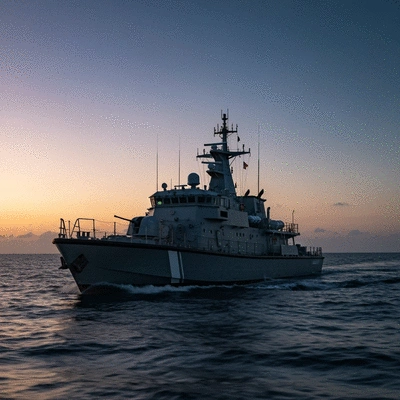
Understanding this military action requires context. The strike reflects broader issues surrounding narcoterrorism in Latin America, where drug trafficking is often intertwined with organized crime, violence, and corruption. The reality is that these cartels not only threaten local communities but also pose significant risks to countries far beyond their borders. As we dive deeper into this incident, it’s essential to grasp its implications on international drug policy and U.S. foreign relations.
Overview of the Incident and Its Context
The Pentagon's statement emphasized that this strike was a targeted response to ongoing threats posed by drug trafficking operations. These operations have been linked to violence and instability in several Latin American nations. Here are some key points to understand:
- Date of the strike: [insert specific date]
- Location: Off the coast of Latin America, specifically targeting known drug routes. For example, the U.S. Coast Guard and USS Sampson have conducted similar drug interdictions in the Eastern Pacific, a common trafficking area.
- Objective: To disrupt and deter narcoterrorism operations.
- Statements from officials: Emphasized the need for collective action against drug cartels.
Such military actions highlight a growing concern over the influence of narcoterrorism not only within Latin America but also its implications for the U.S. and global security. With cartels increasingly becoming more sophisticated, the need for decisive military strategies has been underscored as vital in the fight against drug trafficking.
The Role of the Trump Administration in Military Actions Against Drug Trafficking
The Trump administration's approach to military interventions marked a significant shift in U.S. policy towards drug trafficking. During his tenure, military actions were framed within a larger strategy to combat drug cartels that had long plagued the region. One notable aspect was the emphasis on direct military involvement, which aimed to dismantle the operations of these powerful organizations.
Reflecting on historical patterns, the Trump administration undertook several military engagements, often justifying them as essential for national security. However, these strategies brought forth complex implications for U.S.-Latin American relations. Here’s a brief overview of some key elements from that era:
- Direct military engagement: Enhanced use of military resources against drug trafficking. The Department of Defense's budget documents often detail allocations for such counter-drug activities.
- Focus on bilateral relations: Strained ties with countries like Venezuela and Mexico.
- Strategic partnerships: Attempt to build coalitions with regional allies against common threats.
As we assess the historical context, it becomes clear that military actions during this period were not just tactical responses but also reflections of the broader socio-political dynamics between the U.S. and Latin American countries. The impact of these interventions continues to resonate, shaping conversations around drug policy and international relations.
Pro Tip
To better understand the complexities of narcoterrorism, consider exploring the socio-economic factors that contribute to drug trafficking. Addressing root causes such as poverty and lack of education can often be more effective than military interventions alone.
Frequently Asked Questions About U.S. Military Actions Against Drug Trafficking
Summarizing the Impact of U.S. Military Actions on Drug Trafficking
The recent U.S. military strike against alleged drug boats has raised significant questions about the effectiveness and legality of such interventions. This action highlights ongoing challenges in the fight against narcoterrorism, especially in regions where drug trafficking is rampant. As we reflect on the key takeaways from this incident, it's essential to consider how these military actions may reshape the dynamics of drug trafficking not only in Latin America but across the globe.
Some of the main points to consider include:
- Increased scrutiny of military tactics: The legality and ethics of using military force for drug interdiction are under intense discussion.
- Potential for retaliation: Countries directly affected by these strikes may respond, affecting diplomatic relations.
- Shifts in trafficking routes: Drug cartels may adapt quickly to military actions, potentially moving operations to less patrolled areas.
These implications suggest that while the military strike aims to disrupt drug trafficking networks, it may also inadvertently lead to a more complex scenario where traffickers find new ways to evade enforcement.
Encouraging Informed Discussions on Military Interventions
As we digest these developments, I invite you to engage in thoughtful dialogue about the ethical and legal considerations surrounding military actions in foreign territories. What alternatives could be more effective in addressing the root causes of drug trafficking? Military interventions often spark intense debate about sovereignty, human rights, and the effectiveness of such strategies.

- What role should diplomacy play in resolving drug-related issues?
- How can economic aid support communities vulnerable to drug trafficking?
- What community engagement initiatives can be prioritized to tackle the issue holistically?
Your thoughts and insights are valuable as we navigate these complex issues together. Remember, open discussions lead to better understanding and potential solutions.
Call to Action: Staying Updated on Global Drug Policy Developments
To stay informed about the evolving landscape of U.S. military engagements and drug policy, I encourage you to follow reliable sources and engage in ongoing discussions. Here are some resources to consider:
- United Nations Office on Drugs and Crime (UNODC) - Offers insights on global drug policies.
- Brookings Institution - Provides in-depth analysis and expert opinions on drug trafficking and military strategies.
- U.S. Congress - Stay updated on legislative changes that impact drug enforcement strategies.
By keeping abreast of these developments, we can foster an informed community that advocates for effective and ethical approaches to drug trafficking challenges. Let's continue this conversation and explore how we can contribute to a more comprehensive understanding of these pressing issues!
Recap of Key Points
Here is a quick recap of the important points discussed in the article:
- Targeted Military Action: The U.S. military's strike on drug trafficking boats aims to combat narcoterrorism affecting regional stability.
- Contextual Challenges: The complexities of narcoterrorism in Latin America involve organized crime, violence, and the adaptation of drug cartels to military actions.
- Impact on Relations: Military interventions raise questions of legality and may lead to retaliation from affected countries, complicating U.S. foreign relations.
- Future Considerations: There’s a need for informed discussions on alternative strategies to address the root causes of drug trafficking beyond military action.