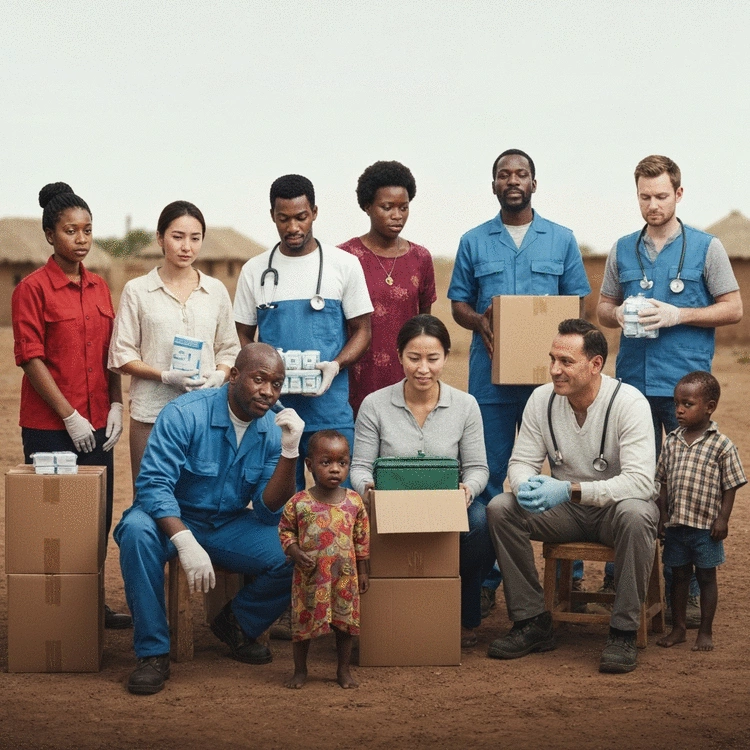
As we dive into the complex world of humanitarian crises in Africa, consider how many lives are affected by ongoing conflicts. Each statistic represents not just numbers but stories of resilience and urgent needs. What can we do to bring about change?
What You Will Learn
- The ongoing conflicts in regions like Sudan, the Sahel, and DR Congo have led to millions of displaced individuals.
- Humanitarian organizations face severe funding shortages, hindering their ability to provide necessary aid.
- The blend of climate change and violence exacerbates the humanitarian needs in the Sahel region.
- Key roles played by organizations like UNHCR and IOM include providing shelter, healthcare, and education to displaced populations.
Addressing Humanitarian Crises: Key Regions and Challenges
The visual below highlights the primary regions facing significant humanitarian crises and the critical challenge of underfunding in aid efforts.
Regions in Crisis
• Sudan: Conflict & Displacement
• Sahel: Extremism & Climate Issues
• DR Congo: Armed Conflict & Needs
Displacement & Underfunding
• Sudan: Over 3M Displaced
• Sahel: Growing Refugee Numbers
• DR Congo: Funding Shortfalls
Understanding the Impact of African Conflicts on Global Humanitarian Efforts
The ongoing conflicts in Africa profoundly affect global humanitarian efforts. Particularly, the situation in Sudan, the Sahel region, and the Democratic Republic of the Congo (DR Congo) has created dire humanitarian crises, leading to alarming rates of displacement and mass refugee emergencies. As we explore these conflicts, it's crucial to recognize the complexities that arise and the urgent needs that emerge in their wake. For a deeper understanding of how these local conflicts contribute to broader international dynamics, consider exploring global conflicts shaping tomorrow's affairs.
For instance, in Sudan, the conflict has resulted in severe humanitarian crises, with millions displaced from their homes. In the Sahel region, challenges like climate change and armed groups have intensified the situation. And in the DR Congo, associated violence has led to significant loss of life and displacement. Here’s a quick summary of the key conflicts:
- Sudan: Ongoing violence and political turmoil have led to a massive refugee crisis.
- Sahel Region: The rise of extremist groups and climate issues have displaced thousands.
- DR Congo: Continuous armed conflict has exacerbated humanitarian needs, with millions in dire need of assistance.
These conflicts don’t just affect those directly involved; they resonate across borders, influencing global humanitarian responses and funding initiatives. The humanitarian crises that arise compel us to address the needs of the affected populations with urgency and compassion.
Exploring Key Conflicts: Sudan, Sahel, and DR Congo
As we delve deeper into these regions, we see how the conflicts in Sudan, the Sahel, and the DR Congo have led to widespread suffering. The humanitarian crises in these areas are characterized not only by displacement but also by lack of access to essential services like healthcare and education. The result? A staggering refugee emergency that challenges neighboring nations and the international community alike.
For example, in Sudan, the combination of governmental instability and armed conflict has forced families to flee their homes, often leaving behind everything they own. In the Sahel, the persistent violence and climate change create a compound crisis, leaving people vulnerable and in desperate need of assistance. Understanding the nuances of these conflicts is essential to appreciate the broader implications for humanitarian efforts globally. This intricate relationship between conflict, climate change, and displacement highlights the importance of climate change and global security.
The Humanitarian Crisis: Displacement and Underfunding
The impact of these conflicts is reflected in the alarming rates of displacement. According to the latest reports, millions of people are uprooted, seeking safety and stability. However, the humanitarian response often falls short due to insufficient funding. This underfunding limits the ability of organizations to provide adequate support and relief.
- Sudan: Over 3 million people displaced, with insufficient aid relief.
- Sahel: Refugee numbers growing due to ongoing conflicts and environmental challenges.
- DR Congo: Millions in need, but funding shortfalls hinder effective response.
The implications of this underfunding are dire. Without adequate resources, humanitarian organizations struggle to respond effectively, leading to increased suffering for those affected by the conflicts. It’s a critical issue that requires our attention and action.
The Role of Refugee Organizations in Addressing Humanitarian Needs
Organizations like UNHCR (United Nations High Commissioner for Refugees) and IOM (International Organization for Migration) play crucial roles in addressing the needs of displaced populations. They work tirelessly to provide essential services, from shelter and food to healthcare and education, yet they face immense challenges.
By collaborating with local governments and NGOs, these organizations strive to create sustainable solutions for those affected by conflict. Their efforts are vital in ensuring that displaced individuals receive the support they need to rebuild their lives. Let’s take a closer look at some of the key roles these organizations play:
- Providing emergency shelter and basic needs.
- Offering healthcare services to vulnerable populations.
- Facilitating educational opportunities for displaced children.
The work of these organizations is indispensable in transforming a dire situation into one where displaced individuals and families can find hope and stability. Their commitment often makes a world of difference in the lives of those affected by conflict.
Frequently Asked Questions
What are the primary regions in Africa currently facing significant humanitarian crises?
The primary regions discussed are Sudan, the Sahel region, and the Democratic Republic of the Congo (DR Congo), all of which are experiencing severe humanitarian crises due to ongoing conflicts, displacement, and environmental challenges.
What are the main challenges faced by humanitarian organizations in these regions?
Humanitarian organizations face severe funding shortages, security risks, operational barriers, and the complexities arising from the interplay of conflict and climate change, all of which hinder their ability to provide adequate aid and support.
How does climate change impact the humanitarian situation in the Sahel region?
In the Sahel, climate change exacerbates existing vulnerabilities, intensifying the humanitarian needs alongside violence and extremism, leading to increased displacement and food insecurity.
What roles do organizations like UNHCR and IOM play in addressing these crises?
UNHCR and IOM provide crucial support such as emergency shelter, food, healthcare services, and educational opportunities for displaced populations. They also work on long-term solutions to help individuals rebuild their lives.
What can individuals do to help address the humanitarian needs in Africa?
Individuals can contribute by advocating for policies that promote humanitarian aid, donating to reputable NGOs working on the ground, and spreading awareness about the crises through social media and community events.
Pro Tip
Did you know? Engaging with humanitarian organizations not only helps those in need but can also provide you with firsthand insights into the complexities of global crises. Volunteering or participating in awareness campaigns can deepen your understanding and foster a sense of community, enabling you to advocate more effectively for humanitarian needs.
Summarizing the Complex Interplay of Conflict and Humanitarian Responses
As we've explored, the influence of African conflicts on global humanitarian responses is both profound and intricate. The ongoing crises in regions like Sudan, the Sahel, and the DR Congo not only showcase the urgent humanitarian needs but also highlight the systemic challenges that hinder effective responses. In summary, here are some key points we've discussed:
- The alarming rates of displacement, with millions forced to flee their homes due to violence.
- The critical role of organizations like UNHCR and IOM in providing essential support to displaced populations.
- Challenges faced by international organizations, including security risks and funding shortages.
It’s clear that the humanitarian landscape is fraught with difficulties. The attacks on aid workers, operational barriers, and the growing “aid recession” all compound the struggle to meet the urgent needs of those affected by conflict. By understanding these dynamics, we can better appreciate the complexity of humanitarian responses in Africa and beyond.
A Call for Action: Addressing the Humanitarian Needs in Africa
Now, it's time for us to engage actively with these pressing issues. At The Stone Builders Rejected, we believe that raising awareness is crucial. Here are a few ways you can make a difference:
- Advocacy: Use your voice to highlight the issues facing displaced populations and support policies that promote humanitarian aid.
- Donations: Consider contributing to reputable NGOs and organizations working on the ground to provide relief.
- Spread Awareness: Share information about the crises in Africa through social media or community events to educate others.
Engaging with these humanitarian efforts is vital, as change begins with informed individuals who are willing to act. Together, we can advocate for those who urgently need our support and help bring attention to the humanitarian crises affecting Africa today! What steps are you willing to take? Share your thoughts in the comments below, and let’s work towards a more compassionate world. To further enhance your capacity to make an impact, consider the importance of boosting mental fitness and resilience, as sustained engagement requires personal well-being.
Recap of Key Points
Here is a quick recap of the important points discussed in the article:
- The ongoing conflicts in Sudan, the Sahel, and the DR Congo have led to widespread displacement and humanitarian crises.
- Organizations like UNHCR and IOM play crucial roles in providing essential support to displaced populations.
- Insufficient funding hampers the response efforts of humanitarian organizations, exacerbating the suffering of affected individuals.