The future of global governance hinges on our understanding and commitment to multilateralism. As we face increasingly complex global challenges, how can nations collaborate effectively to foster peace and development? This article delves into the current landscape of multilateralism, its significance, and the obstacles it encounters, urging us all to stay informed and engaged.
What You Will Learn
- Multilateralism is essential for addressing global challenges like climate change and trade disputes through collective action.
- International organizations facilitate multilateralism by providing platforms for dialogue and establishing norms among countries.
- Challenges to multilateralism include rising nationalism, resource constraints, and geopolitical tensions that hinder collaborative efforts.
- Reforming the United Nations is crucial for ensuring it continues to be an effective platform for global governance in a rapidly changing world.
- Stakeholders can advocate for reform by engaging in dialogue, prioritizing specific areas for improvement, and allocating necessary resources.
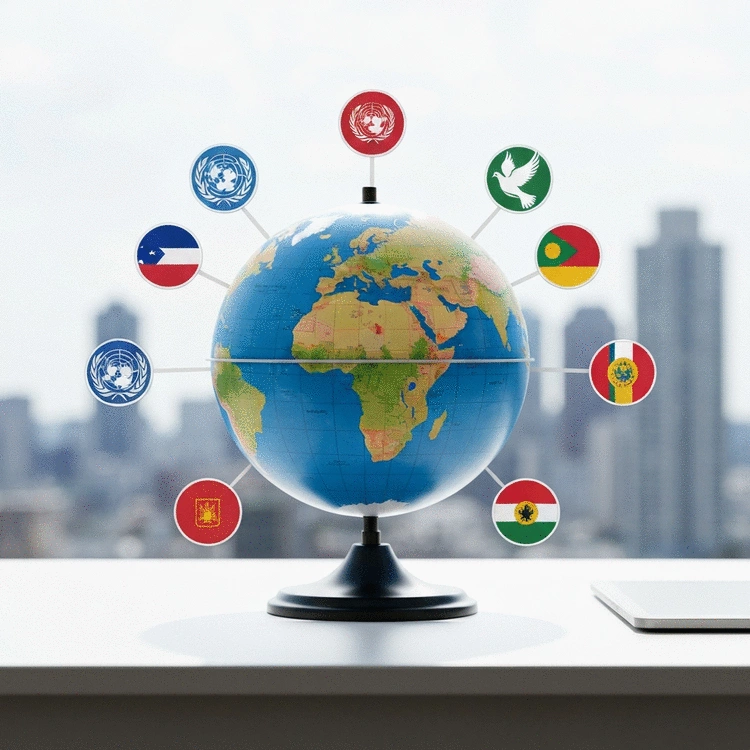
Visualizing the Dynamics of Multilateralism: Challenges and Pathways to Reform
This visual highlights the core challenges facing multilateralism today and outlines the crucial next steps for stakeholders and international organizations to promote effective reforms and foster global cooperation.
Key Challenges Facing Multilateralism
- • Nationalism: Prioritizing national interests over collective goals.
- • Resource Constraints: Inadequate funding for organizations.
- • Geopolitical Tensions: Rivalries undermining cooperation.
Next Steps for Stakeholders in Reforms
- • Engage in Dialogue: Foster open discussions across sectors.
- • Prioritize Reforms: Identify immediate UN structural needs.
- • Allocate Resources: Ensure sufficient funding for reform processes.
Importance of Reforming Multilateralism
- • Adaptability: Flexible frameworks for global challenges.
- • Inclusivity: Equitable voice for all nations (Global South).
- • Accountability: Enhanced transparency and public trust.
Role of NGOs in Shaping Policies
- • Research & Advocacy: Highlighting issues, advocating change.
- • Education & Awareness: Informing public on UN functions.
- • Partnerships: Collaborating with governments and bodies.
The Future of Multilateralism: Understanding the Current Landscape
In an increasingly interconnected world, multilateralism stands as a pivotal framework for global governance. It is essential for addressing complex issues that transcend national borders, ranging from climate change to trade disputes. Multilateralism promotes collaboration among countries, enabling them to tackle challenges collectively rather than in isolation. When countries unite through multilateral efforts, it creates a platform for dialogue, compromise, and shared solutions.
Moreover, multilateralism is not just about cooperation; it also reflects the growing need for global governance that represents diverse interests and voices. This is especially vital as international problems become more intricate and necessitate a wide array of perspectives for effective resolution. So, why is this approach so crucial? It fosters peace, supports development, and advances human rights globally. For further insights on how global events shape international relations, read our recent article on Global Conflicts Shaping Tomorrow's Affairs.

Defining Multilateralism and Its Importance in Global Governance
At its core, multilateralism refers to the process by which multiple countries come together to address common challenges and goals. This approach is crucial in our rapidly changing world, where the influence of individual nations can be limited against global issues. Here are some key aspects that define its importance:
- Collective Action: Countries can mobilize resources and knowledge to tackle significant issues.
- Shared Governance: It ensures that no single nation dominates international discussions, allowing for more equitable decision-making.
- Global Stability: By fostering cooperation, multilateralism helps to prevent conflicts and promotes international peace.
As I have seen through my work at The Stone Builders Rejected, the dynamics of global governance are in constant flux. Engaging in multilateral dialogues can pave the way for new partnerships and stronger alliances, ultimately enhancing our collective resilience against future crises.
Key Challenges Facing Multilateralism Today
Despite its critical role, multilateralism faces numerous challenges that threaten its effectiveness. Some of the primary obstacles include:
- Nationalism: The rise of nationalist sentiments has often led countries to prioritize their interests over collective goals.
- Resource Constraints: Many organizations struggle with adequate funding and resources, limiting their capacity to operate effectively.
- Geopolitical Tensions: Rivalries between major powers can undermine collaborative efforts and create an atmosphere of distrust.
As I delve into these challenges, I am reminded of the conversations I've had with experts and policymakers. They highlight the need for renewed commitment to multilateral cooperation, especially in the face of pressing global issues that require unified responses. Understanding these challenges is key to addressing broader issues like Nationalism's Impact on Global Cooperation.
Exploring the Role of International Organizations in Promoting Multilateralism
International organizations play a pivotal role in fostering multilateralism. They provide the infrastructure for dialogue, negotiation, and collaboration among nations. Here are some key functions these organizations serve:
- Facilitating Dialogue: They create spaces where countries can engage in discussions and negotiations to find common ground.
- Setting Norms: By establishing rules and standards, they help guide international behaviors and interactions.
- Providing Support: They offer technical and financial assistance to countries, helping them implement agreed-upon initiatives.
In my experience with The Stone Builders Rejected, I’ve observed how these organizations, like the United Nations and the World Trade Organization, have been instrumental in shaping global policies. Their influence is critical in promoting a stable and cooperative international landscape, which, in turn, helps all nations thrive.
Pro Tip
To enhance the effectiveness of multilateralism, consider advocating for transparency in international negotiations. Transparency fosters trust among nations and encourages more inclusive participation, ultimately leading to more sustainable and equitable solutions.
Summarizing the Key Points on the Future of UN Reforms
As we delve deeper into the future of multilateralism and the role of the United Nations, it’s essential to reflect on the pivotal reasons why reforming multilateralism is crucial for global stability. A well-structured multilateral system can foster cooperation among nations, address pressing global issues, and promote peace and security. Reforms in the UN are necessary to ensure that it remains a relevant and effective platform for dialogue and action in an ever-changing geopolitical landscape.
Consider the following key points regarding the importance of reforming multilateralism:
- Adaptability: The global challenges we face today, such as climate change and health crises, require a flexible and responsive multilateral framework.
- Inclusivity: Ensuring that all nations, especially those in the Global South, have a voice in decision-making can lead to more equitable outcomes.
- Accountability: Reforming multilateral institutions can enhance transparency and accountability, leading to greater public trust.
In my experience at The Stone Builders Rejected, I've observed how these reforms can help foster informed discussions that empower various stakeholders. It’s this empowerment that will drive meaningful change in global governance.
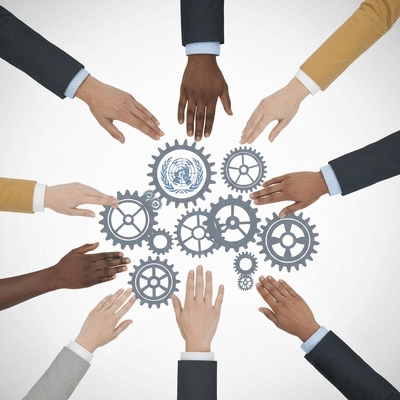
Next Steps for Stakeholders and Policymakers in Implementing Reforms
As we look towards the future, it’s crucial for stakeholders and policymakers to take proactive steps in implementing these vital reforms. Clear strategies and collaborative efforts will play a significant role in shaping the next phase of global governance. Here are some actionable next steps:
- **Engage in Dialogue:** Encourage open discussions among member states, civil society, and private sectors to share perspectives and ideas.
- **Prioritize Reforms:** Identify and prioritize specific areas within the UN structure that need immediate attention for reform.
- **Allocate Resources:** Ensure that there are sufficient financial and human resources dedicated to the reform processes.
By fostering collaborative environments, we can transform the vision of a reformed UN into a reality. At The Stone Builders Rejected, we believe that change starts with informed stakeholders who are ready to advocate for effective solutions.
Engaging with the Future: What Lies Ahead for Global Governance
How Citizens and Organizations Can Advocate for Change
The future of global governance does not rest solely in the hands of politicians and policymakers. Citizens and organizations play a vital role in advocating for reform. It’s about being informed, vocal, and active in the pursuit of a more equitable world. Here are some ways you can make an impact:
- Stay Informed: Regularly read and share credible news sources that cover UN reform initiatives.
- Engage in Community Discussions: Host or join forums to discuss the implications of global governance.
- Support Advocacy Groups: Collaborate with NGOs and community organizations dedicated to promoting UN reforms.
Having these conversations is crucial because it creates a ripple effect, encouraging more individuals to become involved. As I often say at The Stone Builders Rejected, we can only move forward together! You can learn more about how technology is shaping global discussions and policy by exploring 5G Expansion's Impact on Tech.
Frequently Asked Questions About Multilateralism and UN Reforms
What is multilateralism?
Multilateralism refers to the process by which multiple countries cooperate to address common challenges and goals, promoting collective action and shared governance in global affairs.
Why is multilateralism important for global governance?
It is crucial for tackling complex issues that transcend national borders, such as climate change and trade disputes, by fostering dialogue, compromise, and shared solutions. It helps maintain global stability, supports development, and advances human rights.
What are the main challenges facing multilateralism today?
Key challenges include rising nationalism, which prioritizes national interests over collective goals; resource constraints that limit the effectiveness of international organizations; and geopolitical tensions that undermine cooperative efforts.
What role do international organizations play in multilateralism?
International organizations like the UN provide essential infrastructure for dialogue, negotiation, and collaboration among nations. They facilitate discussions, set international norms and standards, and offer technical and financial support for global initiatives.
Why are reforms in the United Nations necessary?
UN reforms are necessary to ensure the organization remains relevant and effective in a rapidly changing geopolitical landscape. Reforms aim to enhance adaptability to new global challenges, promote inclusivity by giving an equitable voice to all nations (especially the Global South), and improve accountability and public trust.
How can stakeholders and policymakers implement UN reforms?
Stakeholders should engage in open dialogue across sectors, prioritize specific areas for reform within the UN structure, and ensure sufficient financial and human resources are allocated to these reform processes.
How can citizens and organizations advocate for change in global governance?
Citizens and organizations can advocate for change by staying informed on UN reform initiatives, engaging in community discussions, and supporting advocacy groups and NGOs dedicated to promoting multilateralism and UN reforms.
What is the role of NGOs in shaping future multilateral policies?
NGOs contribute significantly through research and advocacy, educating the public on UN functions and reform importance, and forming partnerships with governments and international bodies to implement effective policies. They bridge the gap between people and policymakers.
Call to Action: Staying Informed on UN Reform Initiatives and Global Governance Challenges
As we navigate the complexities of global governance, it’s essential to stay updated on ongoing UN reform initiatives. By keeping abreast of developments, we can better understand the challenges and opportunities that lie ahead. Here’s how you can stay informed:
- Follow Trusted Media Outlets: Subscribe to reliable news channels that focus on international relations and global governance.
- Attend Webinars and Conferences: Engage with experts and thought leaders discussing the future of multilateralism.
- Participate in Online Forums: Join discussions on platforms that address UN reforms and global challenges.
It’s about creating a community of informed individuals who can advocate for necessary changes. Remember, as we say at The Stone Builders Rejected, staying engaged is key to driving the conversations that matter!
The Role of NGOs in Shaping Future Multilateral Policies
Non-governmental organizations (NGOs) play an indispensable role in shaping future multilateral policies. Their grassroots efforts, advocacy, and expertise can significantly influence the direction of global governance. Here are some contributions NGOs can make:
- Research and Advocacy: Conducting research that highlights pressing issues and advocating for policy changes.
- Education and Awareness: Educating the public on UN functions and the importance of reforms.
- Partnerships: Forming partnerships with governments and international bodies to implement effective policies.
NGOs have the unique ability to bridge the gap between people and policymakers, driving change from the ground up. At The Stone Builders Rejected, we celebrate these efforts and encourage readers to support the vital work of NGOs in our global community.
Recap of Key Points
Here is a quick recap of the important points discussed in the article:
- Emphasizing Collaboration: Multilateralism fosters cooperation among nations, enabling them to tackle global challenges collectively.
- Addressing Key Challenges: Nationalism, resource constraints, and geopolitical tensions pose significant threats to effective multilateralism.
- The Role of International Organizations: Organizations like the UN facilitate dialogue, set norms, and provide support for implementation of initiatives.
- Importance of Reform: Adaptability, inclusivity, and accountability are crucial for modernizing multilateral institutions like the UN.
- Engaging Stakeholders: Active participation and dialogue among member states, civil society, and the private sector are essential for successful reforms.